MEET OUR PEOPLE — with Tom Fereday
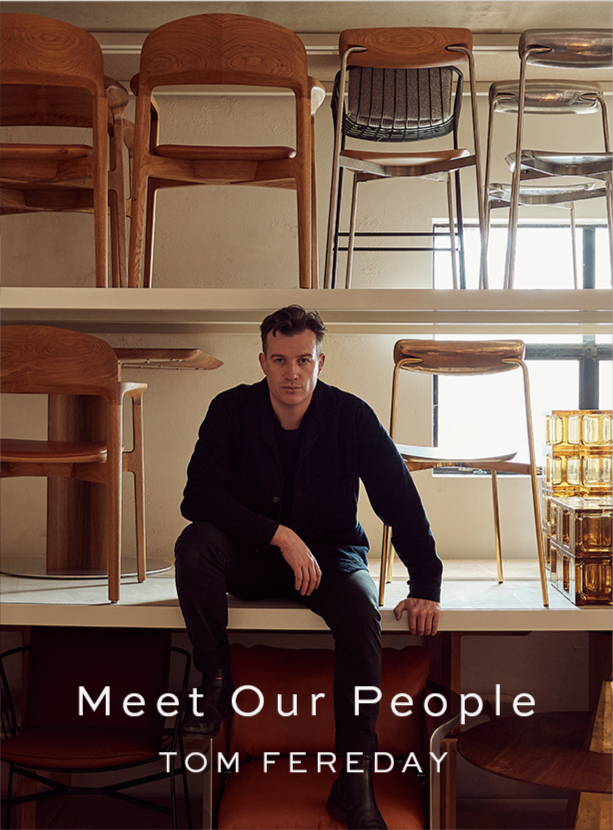
Meet our People — Tom Fereday
INTERVIEWER: CLAIRE DELMAR
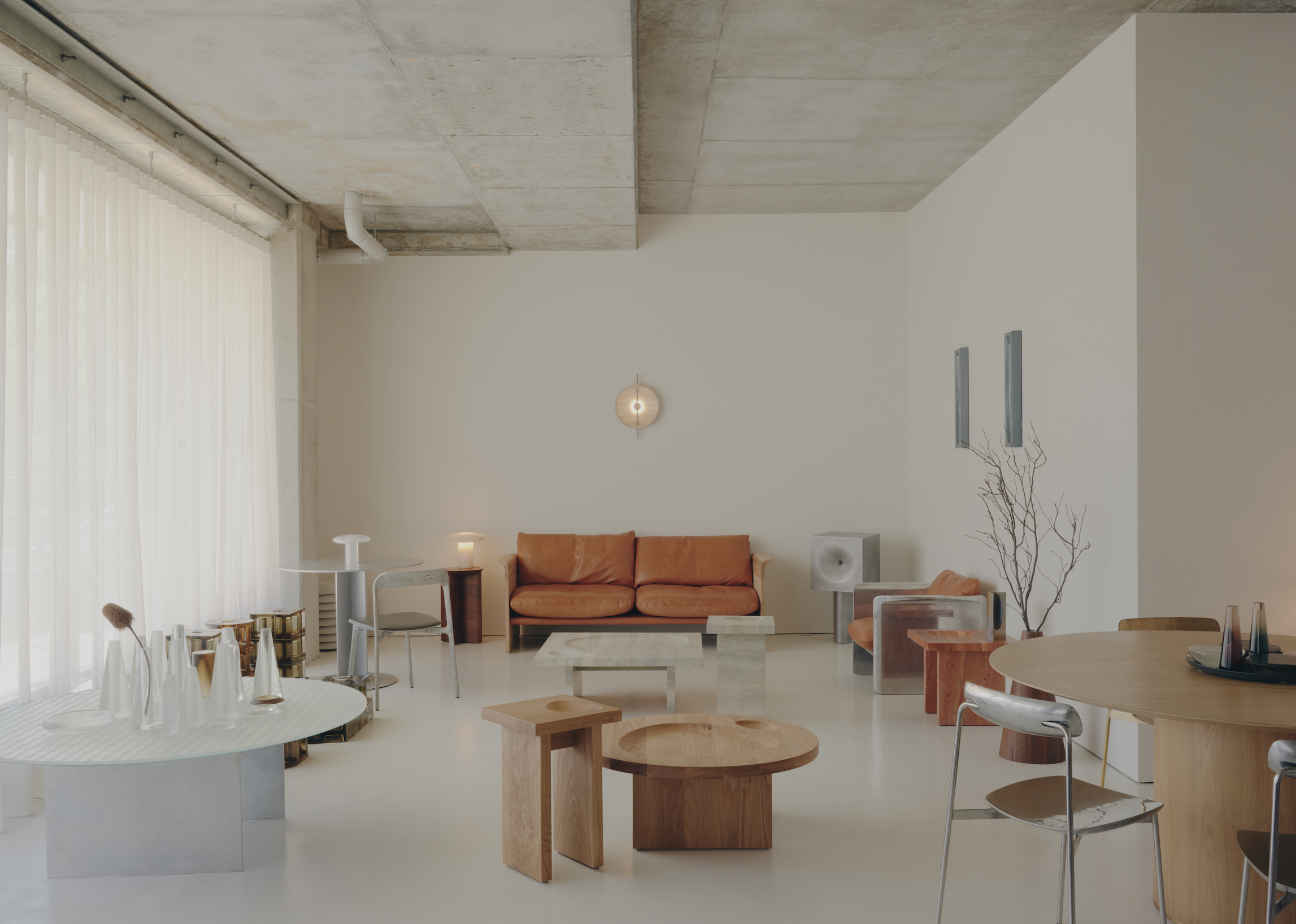
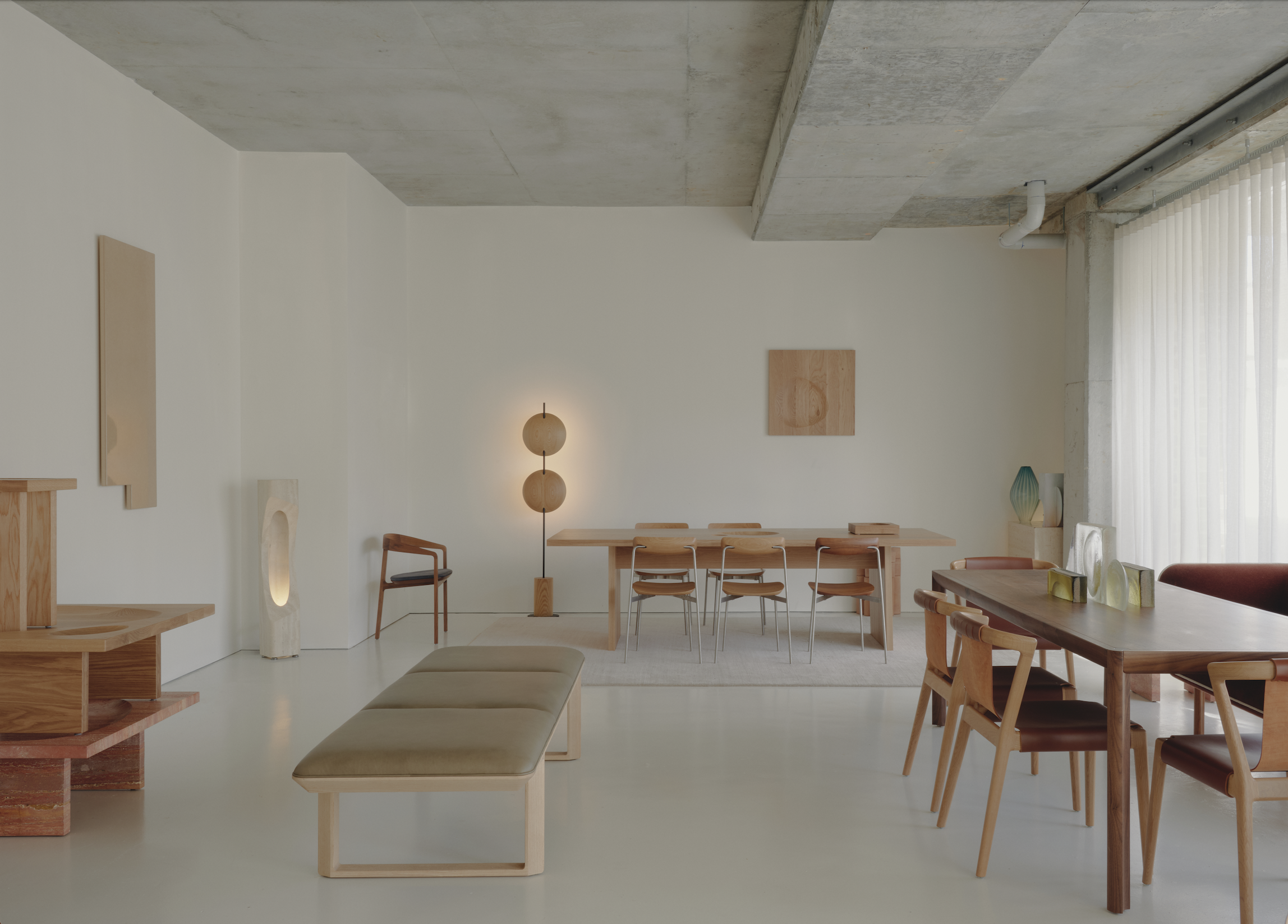
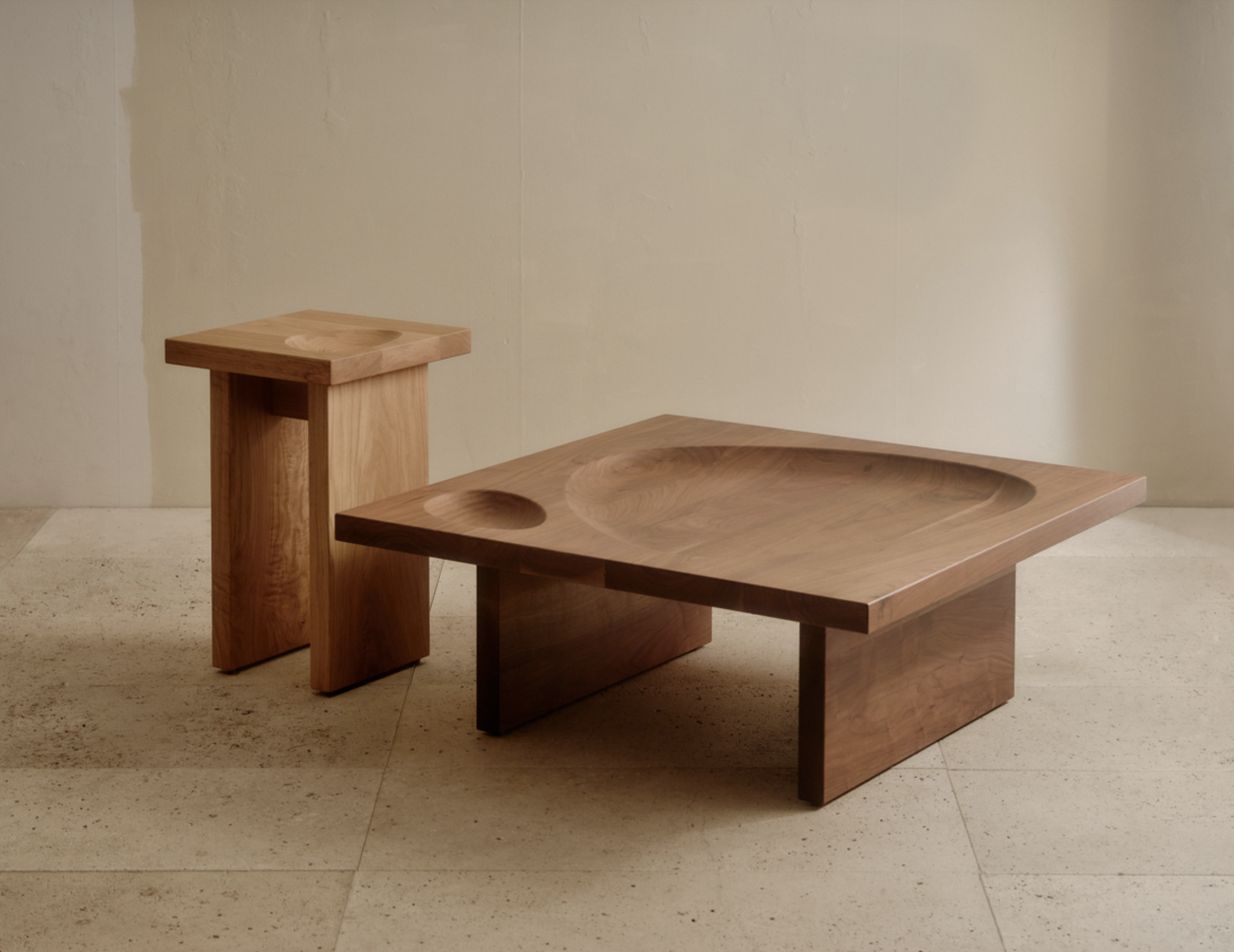
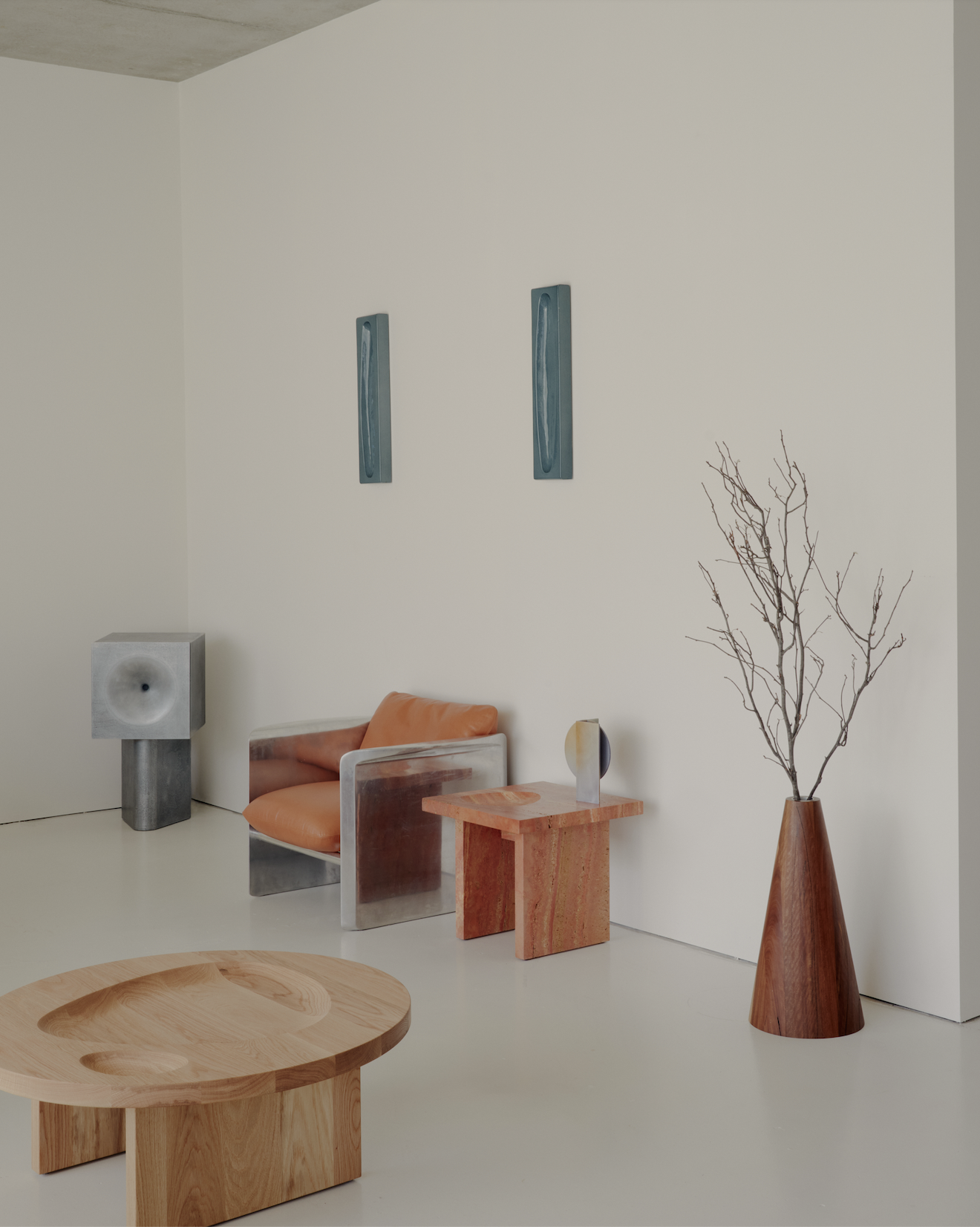
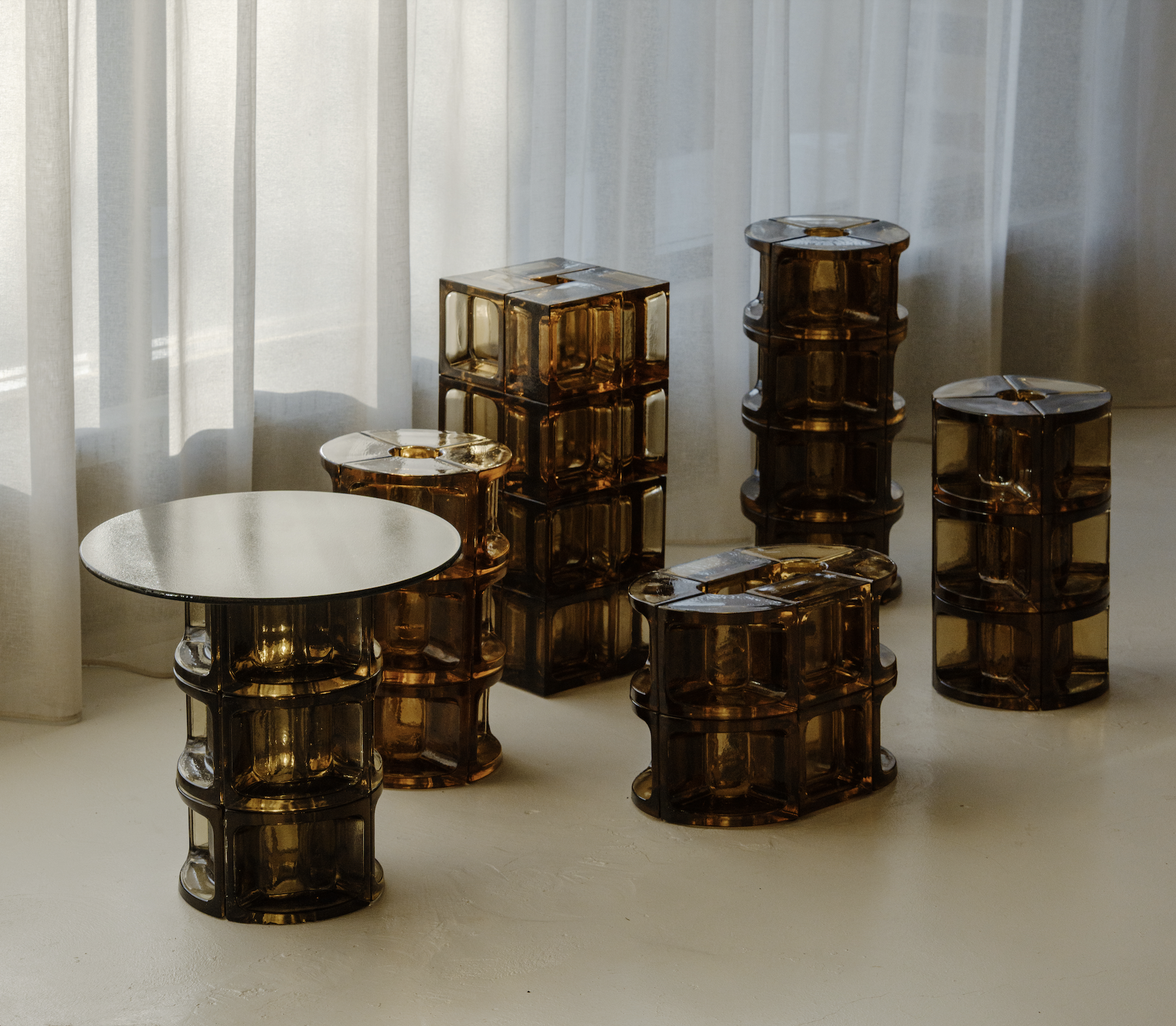
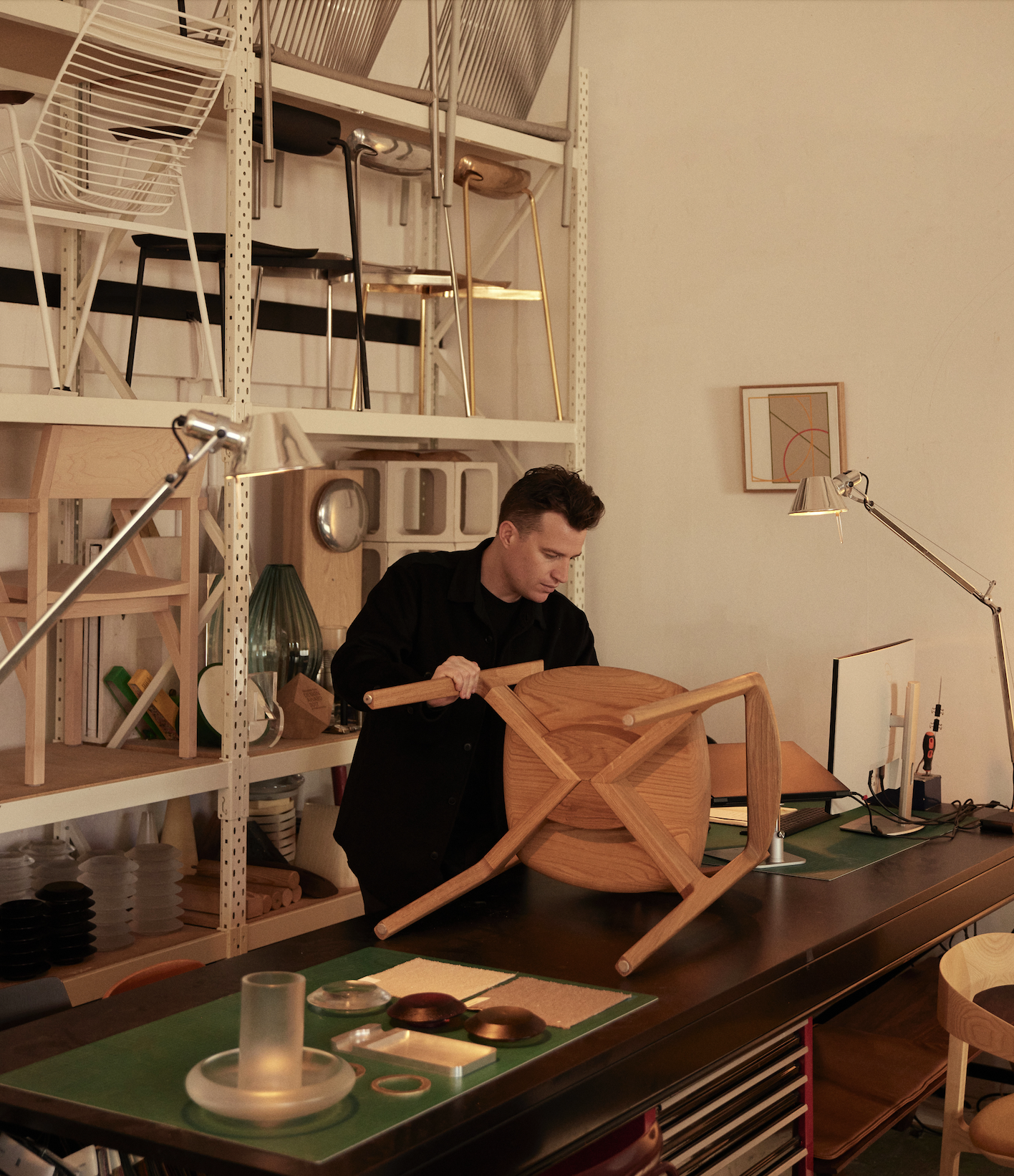
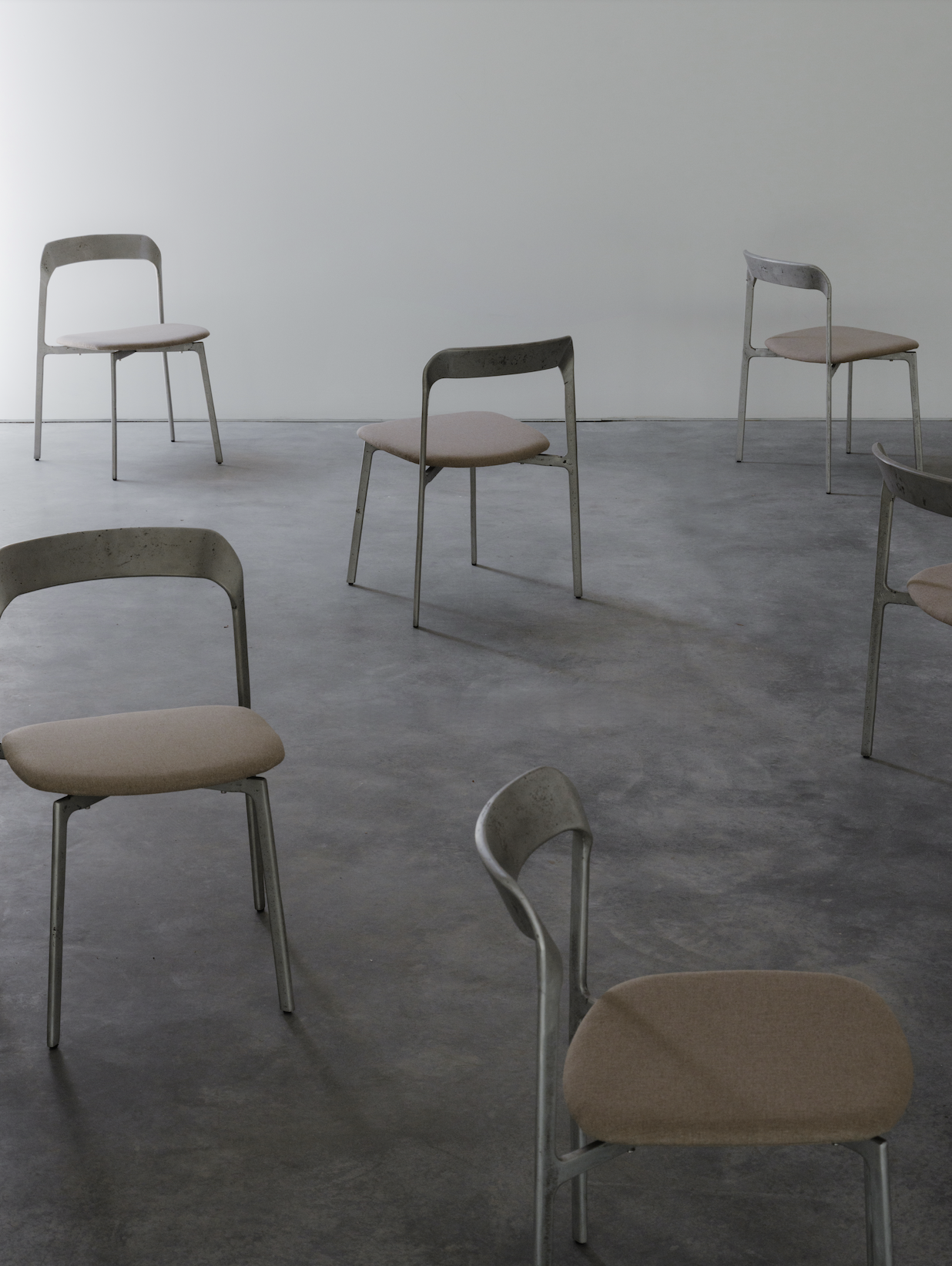
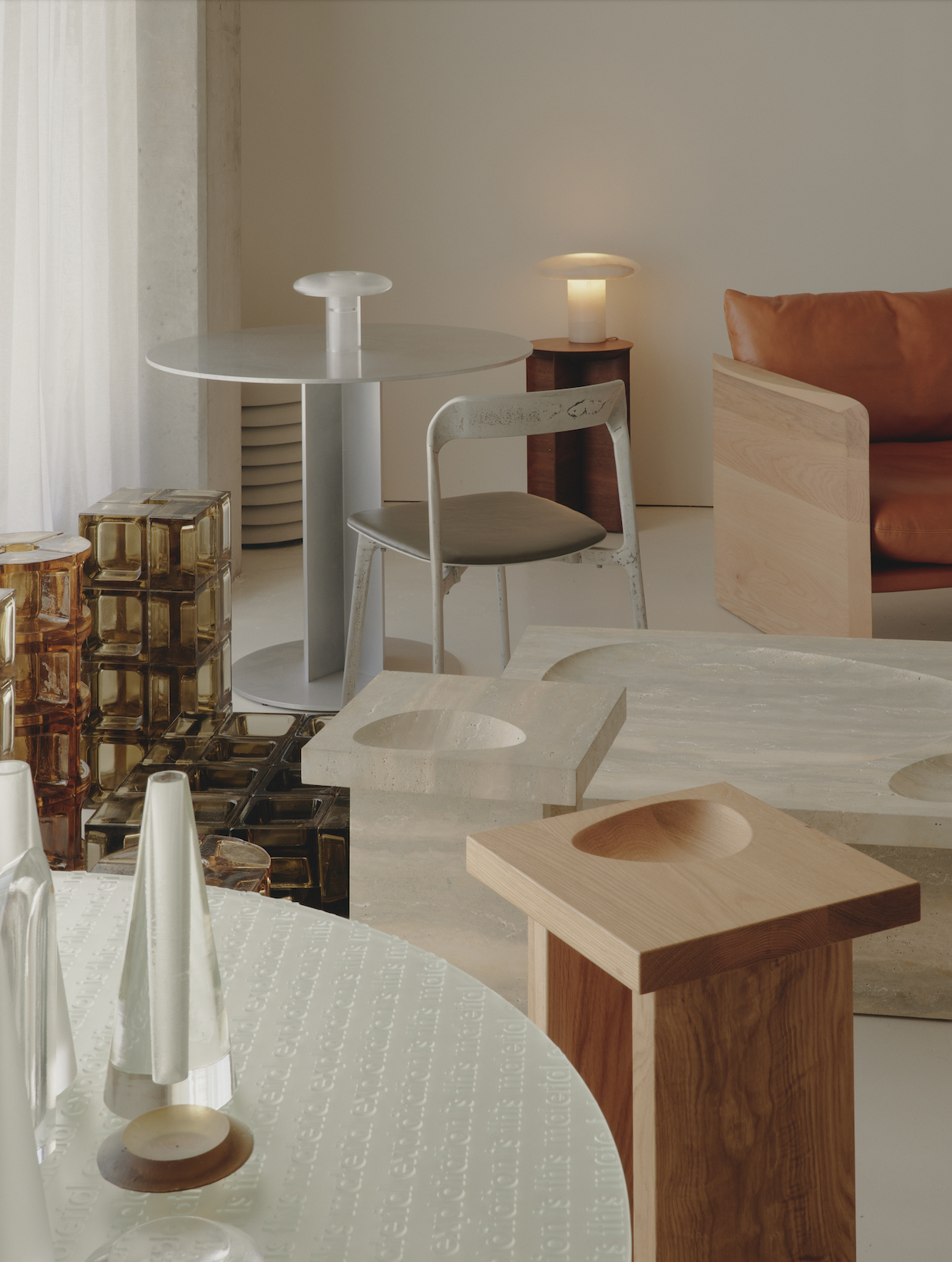
In this edition of "Meet Our People," we sit down with the incredibly talented Tom Fereday, Fascinated by the tension that lies between natural materials and contemporary design and manufacture, Tom Fereday develops unique designs originating from an intrinsic inquiry into the role of objects today. Built on the principle of honest design Tom Fereday’s work celebrates the materials and manufacture behind furniture and objects, guiding considered and thoughtful design outcomes that explore the notion of quiet innovation. Tom Fereday works in furniture, product design and lighting with the inherent belief that technical construction, form and exhibition be considered as one
How did you get involved in the design industry, and what have been the biggest influences on your design style?
I fell into the design industry a little by chance. I was studying sculpture when I came across the possibility of working in Industrial Design and I jumped at the opportunity thriving with the problem solving aspect of design. My biggest influence would be my family as a child I was surrounded by antique furniture of many era's and art coming from a creative family from ceramics to textiles.
How would you describe your design philosophy and approach? In what ways do you apply these in your work?
Fascinated by the tension that lies between natural materials and contemporary design and manufacture, I try to develop unique designs originating from an intrinsic inquiry into the role of objects today. Built on the principle of honest design my work celebrates the materials and manufacture behind furniture and objects, guiding considered and thoughtful design outcomes that explore the notion of quiet innovation.
Where do you find inspiration for your designs?
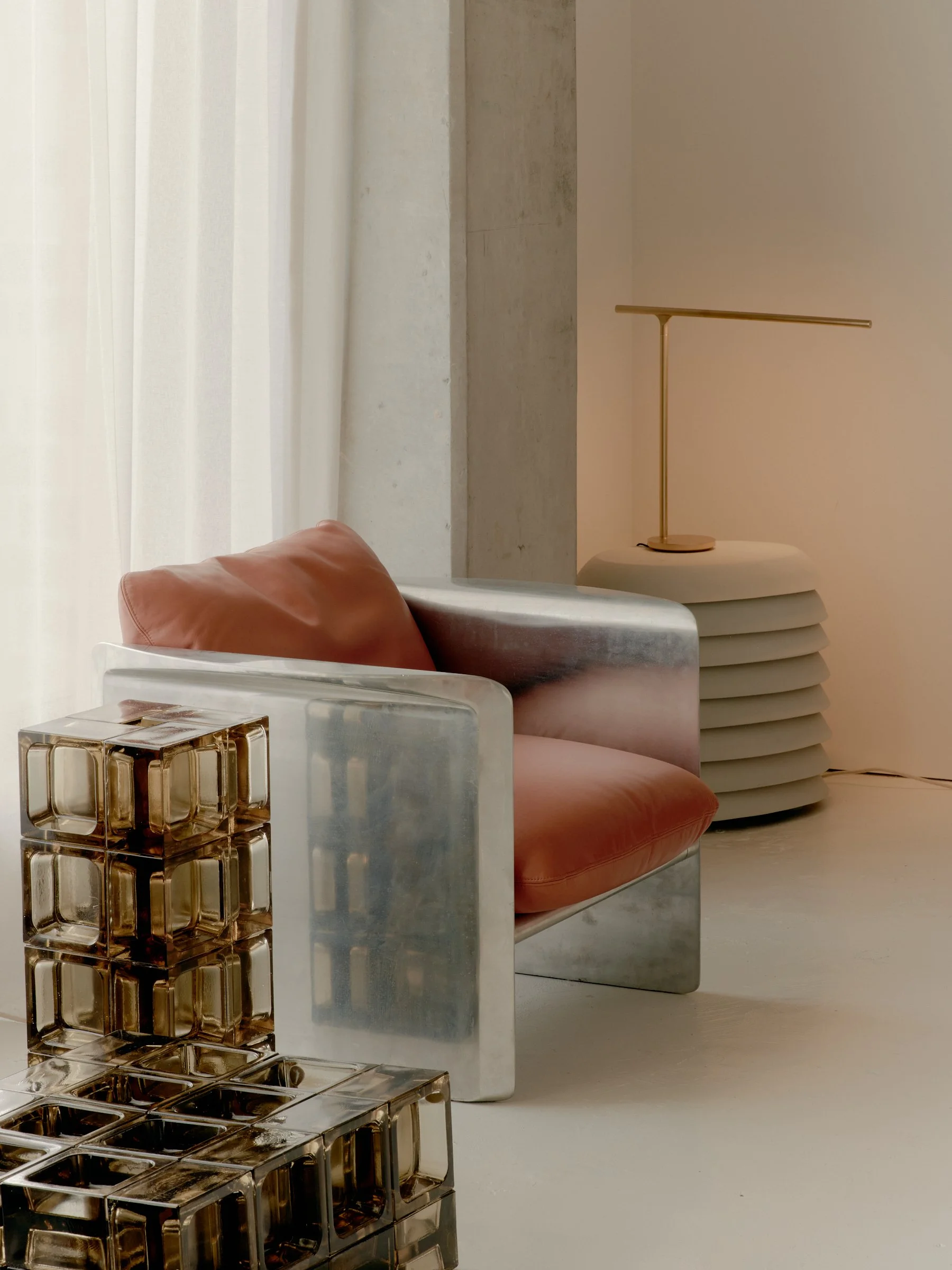
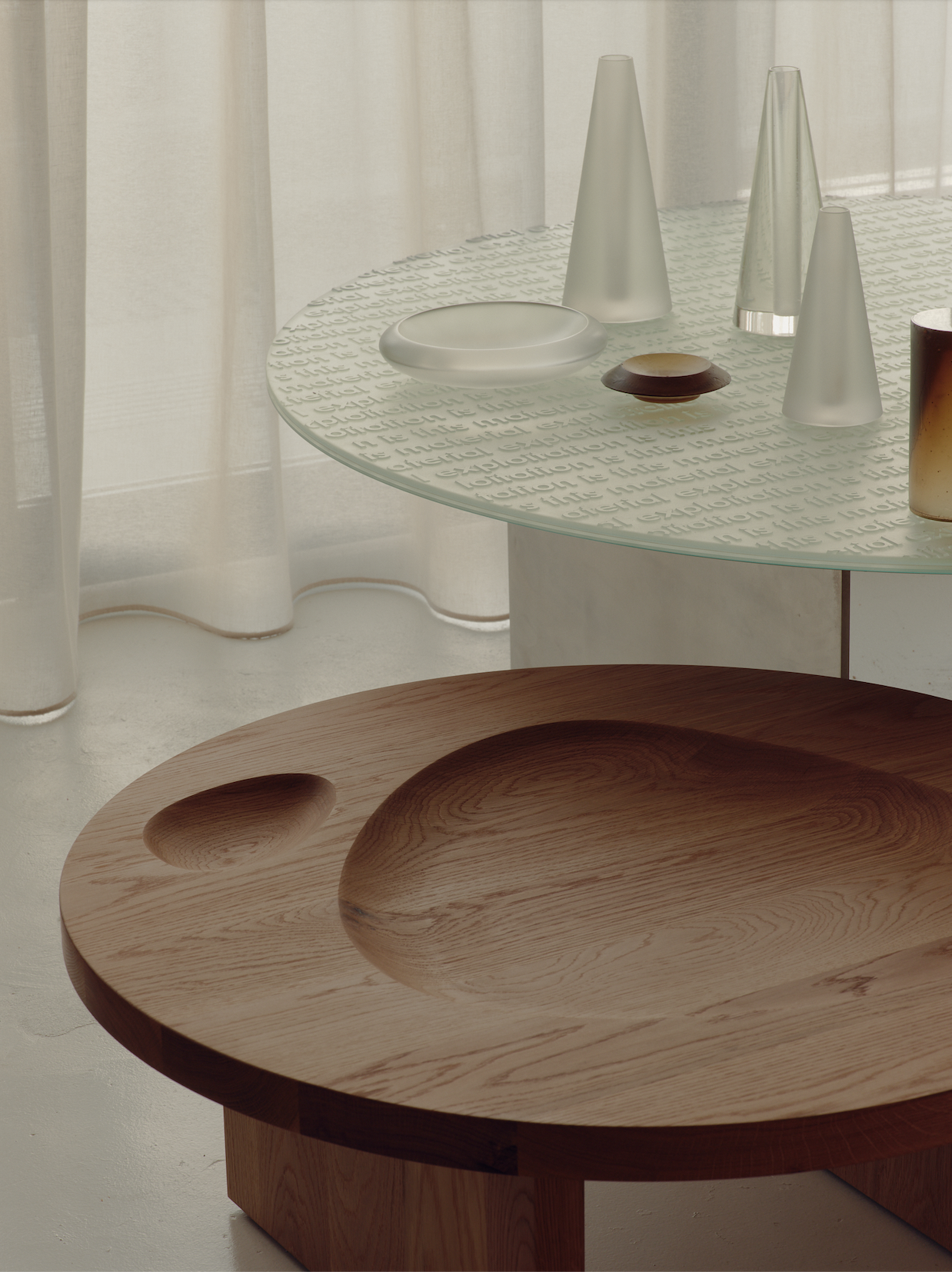
I am always seeking to solve a problem in the purest and most elegant manner I can whilst celebrating the materials behind each piece. I think the hardest challenge for me is to create new designs that are pared back to their essential form and functions whilst remaining unique. The more nuanced and formed a design the easier it may be to be unique and so my challenge is in finding pure solutions that are novel. This compliments my love of natural materials and allows me to celebrate the material through expressive quiet forms designed around the material property features.
What new design trends should we be watching? Are you a fan of trends or timeliness designs?
I really enjoy how nuanced and varied the design field is right now. One element of design that I aspire towards is to achieve contemporary design that is somehow modern and yet familiar. This can result in works that are more nuanced in their appearance with elements that may feel contemporary set against elements that may be more nostalgic providing a feeling of intrigue. In short I try to make pieces that grow on you over time and not fade.
How do you approach collaborations and commissions with clients?
I am always driven by the client I may collaborate with whether this is a brand or a given space. The knowledge of clients informs my work and is an opportunity to learn and challenge myself with new materials or processes and sometimes entirely new product fields.
What’s on the horizon for you and your business?
I am working on some new bespoke commissions that I am excited to share next year alongside new brand collaborations that are in furniture and smaller objects including a new commission for the Powerhouse Museum in Paramatta.
What aspect of your business do you love the most?
I think when I first began working the design field I found it very intimidating and large. As I have grown into the field I have realised just how intimate and welcoming the industry can be. I am also happy to work in the Australian design industry where some incredible designers reside without ego or distance.
As an industry leader, what advice would you offer anyone aspiring to establish a career in a design-related field?
For myself I think more than ever it is important to seek to genuinely problem solve and really justify why they make an object or piece. I always ask myself critically does my design justify the embodied material and deserve the energy and investment required to produce it. I do not always get it right but I think these types of questions can be really good push backs to get to the core reason for creating the piece in the first place.